Li Research Lab
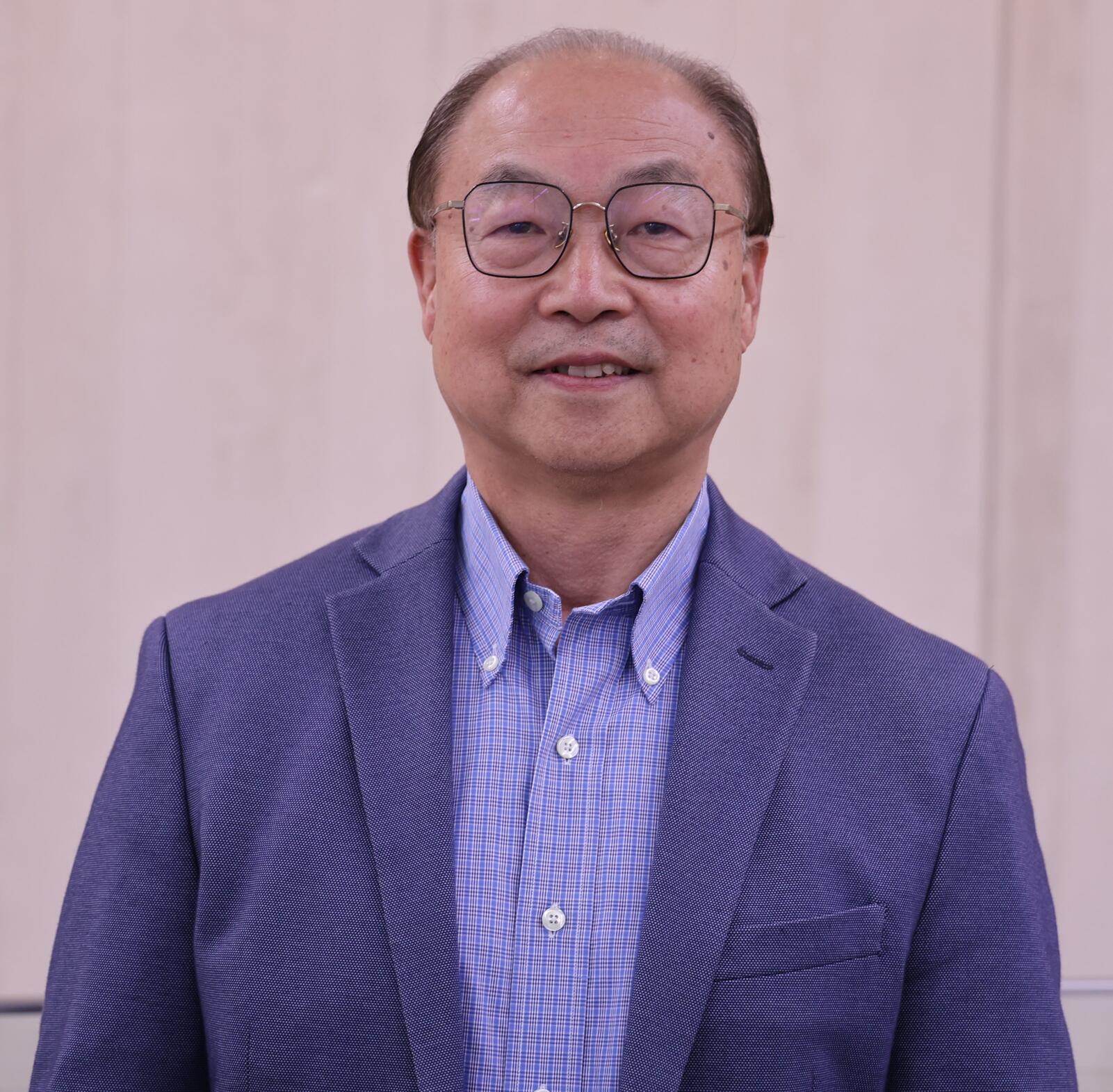
Research Lab of Dr. Ru Li
Publications
Please click here for publications
Research Goals
- To elucidate the underlying molecular and cellular mechanisms that govern angiogenesis, EMT and tissue regeneration.
- To develop the targeting therapeutic strategies improving outcomes in musculoskeletal trauma, organ transplantation and tumor metastasis.
Lab Members
Noah Clough, BS, NREMT
Lab Manager
Mason Horne, MD
Clinic Research Fellow
Larisa Diaz Alvarez, MD
Research Assistant
Waiting for Recruitment
Lab Technician
Research Program
Research Focus
My wide range of musculoskeletal interests, along with my surgical clinical and basic research experience, has led me to investigate the systemic response to trauma, gene and progenitor cell therapies, bone substitutes, and the stimulation of healing in fractures, tendon–bone injuries, and recovery of denervated muscles. The research programs focus on the molecular and cellular mechanisms of angiogenesis, endothelia mesenchymal transition, and tissue regeneration. My works bridge basic science and translational research with the goal of improving outcomes in musculoskeletal trauma and degenerative disorders. My laboratory has made pioneering contributions to regenerative and angiogenic therapies. I led the first demonstration of cell-based VEGF gene therapy and the first application of endothelial progenitor cell (EPC) therapy in an animal fracture models for musculoskeletal tissue repair, establishing a foundation for vascular-based regenerative strategies in orthopedic trauma. In addition, I developed a novel method to reprogram fibroblasts into multipotent progenitor cells with mesenchymal stem cell characteristics, creating a scalable and clinically relevant cell source for musculoskeletal tissue regeneration. Another contribution of my research is the development of the classification for distraction osteogenesis, a comprehensive system that evaluates patterns of bone regeneration and their influencing factors. This classification is now widely utilized internationally in both clinical practice and animal studies, being cited as Li’s Classification, providing a standardized framework for assessing distraction osteogenesis and guiding treatment strategies, and ensuring accurate and safe treatment outcomes in both clinical and research contexts. The furthermore major focus of my research investigates the role of epithelial–mesenchymal transition (EMT) in ischemic tissue fibrosis and tumor bone metastases. My work has identified key intracellular signaling pathways and transcriptional regulators that govern EMT and has demonstrated the therapeutic potential of targeting these mechanisms using small-molecule inhibitors to prevent fibrosis and improve tissue repair. The loss of epithelial characteristics and acquisition of mesenchymal traits enable cancer cells to invade, migrate, and colonize the skeletal microenvironment. By elucidating and therapeutically targeting these EMT-driven molecular pathways, my work aims to develop novel strategies for limiting metastatic spread to bone and improving outcomes for patients with advanced cancer.
Cell-Based Angiogenic Gene Therapy
Vascular endothelial growth factor (VEGF) is a key regulator of both angiogenesis and osteogenesis, making it a critical factor in the healing process of bone fractures. Our research focuses on utilizing cell-based gene therapy to promote fracture healing, particularly by targeting the enhancement of vascularity through the delivery of VEGF to the fracture site, that were able to significantly enhance vascularization, which is a critical step in promoting effective bone healing. This study is pivotal in demonstrating that fibroblast cell-based VEGF gene therapy can be an effective therapeutic approach to accelerate the healing of bone fractures, offering a promising avenue for treating complex bone defects. In vitro experiments demonstrated that VEGF gene transfer into fibroblasts, when co-cultured with osteoblasts, not only led to osteoblast proliferation and mineralization but also stimulated the production of endogenous VEGF in the cell cultures. These findings underscore the synergistic effect of VEGF on both angiogenesis and osteogenesis in fractures, and have made pioneering contributions to regenerative and angiogenic therapies for fracture repair.
Therapeutic Endothelial Progenitor Cells (EPCs)
Endothelial Progenitor Cells (EPCs) represent a unique population of precursor cells with the capacity to promote angiogenesis and contribute to tissue regeneration, particularly in traumatic conditions. Their angiogenic properties make them a promising therapeutic approach for enhancing tissue repair and healing. EPCs therapy have been shown to play a pivotal role in the formation of new blood vessels and the promotion of bone and tendon-bone healing in our reports. In an animal femur model of bone injury, the localized application of Bone Marrow-derived EPC (BM-EPCs) significantly enhanced both vascularization and callus formation, improving the healing of osteotomy gaps. In addition to bone healing, we have applied and investigated EPCs to tendon-bone interface regeneration, demonstrating that EPCs supper support the healing of tendon-bone defects with the composite tissue of bone, cartilage and tendon. EPCs have been shown to home to ischemic tissues, contributing to blood flow recovery and aiding in the repair of vascular damage. Furthermore, EPCs enter the bloodstream in response to traumatic injury, supporting systemic healing mechanisms. These findings underscore the potential of EPC-based therapies in enhancing the regeneration of both bone and soft tissue, offering significant therapeutic promise for musculoskeletal trauma injuries.
Induced Osteogenic Multipotent Progenitor Cells (IOMPCs)
In recent years, a tissue engineering approach has been sought to improve the structure and function of bone fracture using stem cell therapy. A common source of stem cells used in repair of injured tissues is bone marrow mesenchymal stem cells (BMSCs). In regenerative medicine, stem cells/progenitor cells should have the following important characteristics: (i) availability in large amounts, (ii) multiple differentiation, (iii) painless isolation methods. Therefore, the development of new ease way to obtain and effective like stem cell therapies for the restoration of normal bone structure and function is highly desirable. We developed a novel method to apply a condition media with various transcription factors to induce the fibroblast into a cell type of osteogenic multipotent progenitor cells (IOMPCs) which have identified similar as MSC characteristics. IOMPCs are enable to differentiate into several cell types, including osteoblasts, chondrocytes and adipocytes, and express the markers of mesenchymal stem cells and transcription factors. In which, runx-2 is one of the critical regulators of osteoblast differentiation. Runx2 expression is both necessary and sufficient for the differentiation of mesenchymal progenitor cells toward the osteoblastic lineages. Osteoblasts play a central role in bone formation and remodeling by producing type I collagen, osteocalcin, and calcifying these bone matrixes. Osteocalcin is implicated in bone mineralization and calcium ion homeostasis. This work is significant that created a scalable and clinically relevant cell source for tissue regeneration.
Hemorrhagic Shock and Impaired Fracture
Multi-trauma is frequently associated with hemorrhagic shock (HS) and fractures of the extremities. Impaired fracture healing can occur in severely traumatic patients with HS due to decreased tissue blood perfusion, changed in bone cellular metabolism and relative growth factors after trauma local tissue cells swollen and vascularity injury. The knowledge of the mechanisms of HS on delayed fracture healing is still elusive. We have studied that the experimental animal was subjected to controlled hemorrhage and found that the capillary blood perfusion was significantly decreased that identified by imaging and histology analysis. HS is caused by an insufficient volume of circulatory blood flow in tissues that lead to hypoxia ischemia in the bone and around soft tissues with especial periosteum, the main tissue for bone formation. Injury to these associated tissues results in significant impairment of vascularity and a reduced capillary perfusion at the bone fracture site. Fracture vascularity and capillary microcirculation are the critical component of bone healing, that provide oxygen and nutrients and cells and growth factors to the site of injury. The impaired vascularity in HS leads to prolong signaling pathways of the IL6 and RANK/RANKL/OPG system to delay in fracture healing. Our objectives are to investigate the interaction of therapeutic osteogenic and angiogenic cellular and molecular mechanisms of impaired fracture healing in hemorrhagic shock, particularly during earlier stages, using the standardized pressure controlled hemorrhagic shock animal models. We will establish a novel therapeutic approach, which offers a unique ability and platform to either prevent delayed fracture healing or facilitate bone regeneration when non-union has occurred after HS, and causes of significant increasing in the number of osteoclasts, and promoting callus composition and callus quality and bone remolding and strength.
Regeneration and Tissue Engineering
Angiogenesis and osteogenesis are essential for bone regeneration, fracture repair, and bone remodeling. Bone healing is acquired by mimicking the bone structure using scaffolds and the presence of suitable cell types for tissue reconstruction along with signaling pathways. Our strategy that utilizes therapeutic approach of EPCs and IOPMCs with our developed biodegradable scaffold tissue engineering reducing tissue ischemia, and increasing local blood capillary perfusion and bone properties to produce the effective therapies for impaired fractures that often accompanies these problems. To this end, the effect tissue engineering local capillary and bone healing in a relevant animal model of femoral fracture with HS will be evaluated, with the ultimate goal being the treatment of impaired fractures in humans. Clinical application of this strategy could result in a reduced incidence of impaired fracture following HS and benefits in terms of health care costs and improved quality of life. The aim of this study is to investigate bone tissue regeneration through tissue engineering where progenitor cells and the signaling pathways collaboratively orchestrate the regeneration process by the cell survival, and a route for inflammatory cells and mediate beneficial growth factors responses and stem cell homing that are recruited from systemic sources to the fracture site in early injury, which is vital for bone healing. This approach will be significant promoting fracture healing and quality of tissue regeneration, altered callus composition and involve the signaling pathways of the cytokines in response to fracture healing by targeting both fracture vascularity and bone formation in a synergistic fashion.
Epithelial-Mesenchymal Transition (EMT)
EMT is a fundamental biological process implicated in various pathological conditions, including ischemic tissue fibrosis, and tumor metastasis. In this study, we focus on the molecular mechanisms driving EMT and its potential therapeutic implications, the intracellular signaling and transcription factors in EMT and its therapeutic inhibitors. EMT is characterized by the loss of epithelial adhesion, changes in cell morphology, the gain of mesenchymal markers, and an increased ability to invade and migrate through the extracellular matrix. By targeting EMT with inhibitors of TGF and HDACs, we propose and identify a strategy to reverse EMT and promote the transition back to Mesenchymal-Epithelial Transition (MET), which could significantly reduce injured tissue fibrosis, and improve denervation muscle recovery. Furthermore, our work extends to tumor-bone interactions, where EMT plays a central role in the development of bone metastasis. The loss of epithelial properties and acquisition of mesenchymal traits by cancer cells facilitate their invasion and motility, contributing to metastatic spread to bone. Understanding and targeting these molecular pathways could offer new therapeutic approaches for managing bone metastasis and improving outcomes in cancer patients
Mentor Statement
My mentorship integrates surgical expertise with translational research training in trauma, and therapeutic molecular cellular approaches, and tissue regeneration. With extensive experience, I mentor the clinical residents, research fellows, junior faculty members, and graduate students (Ph.D. and M.S.). I emphasize rigorous scientific inquiry, clinical relevance, and the integration of laboratory discovery with patient care to improve outcomes in human disease.